- Arsenal vs Bournemouth: Pre-Season Clash in California – Kick-off Time, Live Streaming Details and Team News Jul 25, 2024
- Young Brazilian Prodigy Endrick Pledges Future to Real Madrid Jul 8, 2024
- Wayne Rooney Battles Health Issues: Fans Raise Concerns Over Ex-Manchester United Star's Noticeable Weight Gain Oct 1, 2024
- Watch Portugal vs Czech Republic in Euro 2024: Free Live Stream Guide Jun 18, 2024
- Indian Para-Athlete Preethi Pal Secures Historic Bronze in Women's T35 100m at Paris 2024 Paralympics Aug 31, 2024
Senzo Mchunu: South Africa's Education Leader and Political Figure
Senzo Mchunu, a South African politician and former Minister of Basic Education, has played a central role in shaping the country’s education system during times of major reform and political change. Also known as Senzo Mchunu, he’s one of the few figures who’ve moved from provincial leadership to national education policy with lasting impact.
His work ties directly to KwaZulu-Natal, the province where he served as Premier and where education challenges like overcrowded classrooms and teacher shortages were front and center. When he stepped into the national education role, he brought that ground-level experience with him—focusing on exam integrity, curriculum rollout, and school infrastructure. He wasn’t just managing policy; he was dealing with real problems: learners walking kilometers to school, teachers without textbooks, and parents losing trust in the system. His decisions affected over 13 million students across South Africa.
He’s also deeply connected to the Government of National Unity, the fragile coalition that holds South Africa’s current government together, where education is one of the few areas where parties still agree on basic goals. In a time when political tensions threaten to break apart the coalition, Mchunu’s steady hand in education has been one of the few constants. He’s worked with ministers from different parties to keep exams on track, even when other ministries were in chaos. His name came up in the same breath as ANC leaders like Cyril Ramaphosa and even in the same political space as figures like Gayton McKenzie, whose scandals have shaken the unity government. But Mchunu stayed focused—on schools, not headlines.
What you’ll find in the posts below isn’t a list of every speech he gave or every meeting he attended. It’s the real impact: how his policies changed exam dates, how his leadership affected teacher hiring, and how his decisions ripple through classrooms from Cape Town to Pretoria. You’ll see how education in South Africa doesn’t just happen in ministries—it happens because of people like him, who show up when the system is under pressure.
Politics
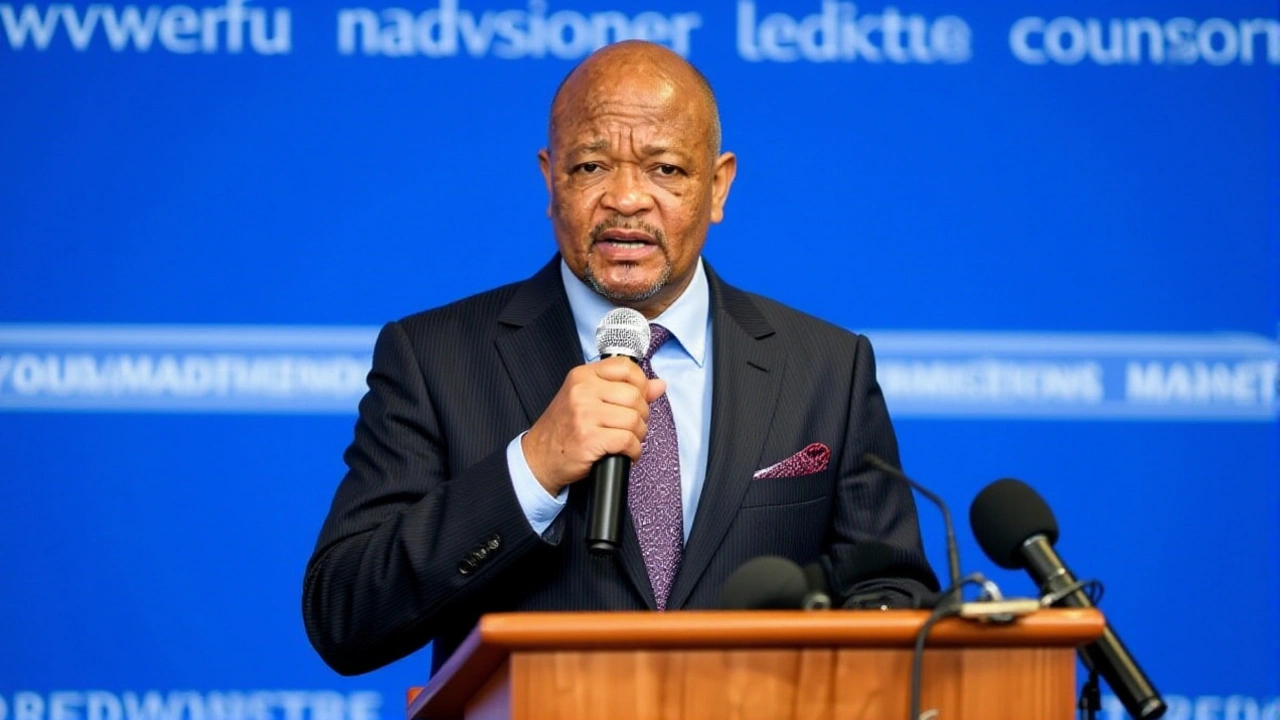
Suspended Police Minister Senzo Mchunu Denies Corruption Claims at Madlanga Commission
- Katlego Sean Mahaye
- Dec 3, 2025
Suspended Police Minister Senzo Mchunu denied corruption allegations before the Madlanga Commission, claiming he was never accused before. His testimony exposes deep political interference in South Africa's police force.