- URC Challenge: SA Franchises Start Season Minus Key Springboks Sep 27, 2025
- Manchester City Targets Porto's Rising Star Nico Gonzalez: A High-Stakes Transfer Saga Unfolds Feb 1, 2025
- Anonymous Warns Kenyan Government: Scrap Finance Bill 2024 or Face Online Uprising Jun 20, 2024
- Real Madrid Faces Dilemma: Choosing Between Rodri Hernandez and Florian Wirtz Sep 5, 2024
- Noah Lyles Advances to Semifinals in the Thrilling 100 Meters at Paris Olympics Aug 4, 2024
Political Interference in Africa: How Power Plays Undermine Education
Political interference, the manipulation of public institutions by government officials for personal or party gain. Also known as political meddling, it’s not just about elections—it’s about who controls textbooks, hires teachers, sets exam dates, and decides which schools get funding. In Africa, where education is supposed to be the ladder out of poverty, political interference often turns it into a bargaining chip.
When a minister changes a national exam date because it clashes with a party rally, that’s political interference. When a governor appoints a loyalist as head of the education board instead of a qualified educator, that’s political interference. When funding for rural schools dries up because the community didn’t vote the right way, that’s political interference. It’s not always loud or dramatic. Sometimes it’s just a quiet phone call, a signed memo, or a delayed budget approval that quietly kills a school project. And it’s happening across the continent—from Kenya’s KPSEA deadlines being held hostage by bureaucratic delays, to South Africa’s Government of National Unity fracturing over ministerial scandals that bleed into education budgets.
Related entities like education policy, government control, and corruption in schools aren’t separate issues—they’re the tools political interference uses. In Kenya, David Njengere’s KNEC holds firm to exam dates not because of fairness, but because changing them could trigger chaos that benefits one party over another. In South Africa, Gayton McKenzie’s scandals aren’t just about personal missteps—they’re about how a minister’s actions erode trust in the entire public system, including schools. Even in Nigeria, when foreign leaders like Donald Trump label the country a religious freedom violator, it doesn’t just affect churches—it pressures the government to shift education priorities to appease external powers, not local needs.
What you’ll find here aren’t just headlines. These are real stories of classrooms caught in the crossfire of power. From exam rigging to teacher layoffs, from funding cuts to curriculum changes that serve agendas instead of students—you’ll see how political interference doesn’t just touch education. It owns it.
Politics
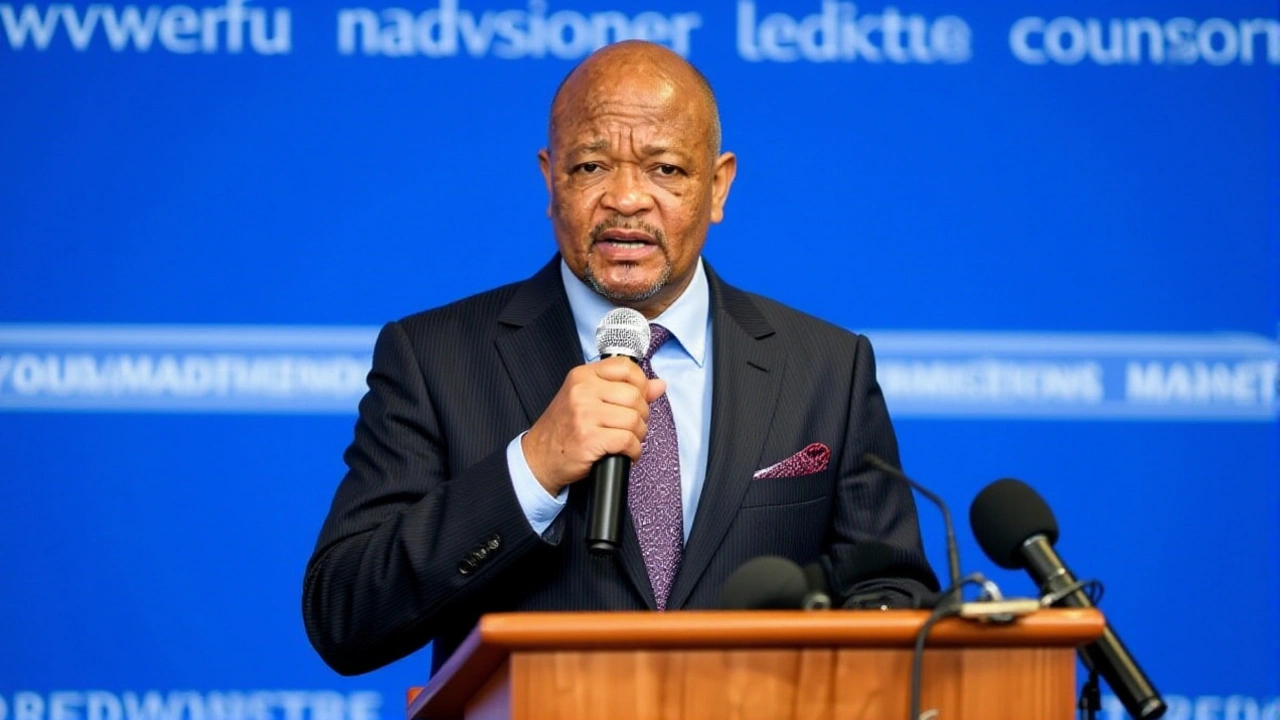
Suspended Police Minister Senzo Mchunu Denies Corruption Claims at Madlanga Commission
- Katlego Sean Mahaye
- Dec 3, 2025
Suspended Police Minister Senzo Mchunu denied corruption allegations before the Madlanga Commission, claiming he was never accused before. His testimony exposes deep political interference in South Africa's police force.