- Deadpool & Wolverine: A Cinematic Goldmine with Explosive On-Screen Chemistry Jul 27, 2024
- EFCC Achieves Over 3,000 Convictions and Recovers Over N156 Billion in Anti-Corruption Drive May 30, 2024
- Minnesota's Tim Walz: The Straightforward Governor Navigating America's Complex Political Landscape Aug 6, 2024
- Arteta’s Bold Rotation Pays Off as Arsenal Beats Port Vale 2-0 Sep 26, 2025
- Australia Clinches T20I Series Against Pakistan with Sweeping Victory Nov 18, 2024
Corruption in Africa: How It Blocks Education and Who's Fighting It
When corruption, the abuse of power for personal gain, especially in public systems. Also known as graft, it quietly steals from schools, hospitals, and futures across Africa. It’s not just about bribes or stolen money—it’s about a child in rural Kenya waiting months for textbooks that were paid for but never delivered. It’s about a teacher in Nigeria who hasn’t been paid in a year because their salary got rerouted to a politician’s offshore account. This isn’t rumor. It’s daily reality in too many places where education is supposed to be a right, not a lottery.
Corruption doesn’t just happen at the top. It shows up in exam leaks, fake teacher registrations, inflated procurement contracts for desks and chalk, and even in the way scholarships are handed out. The public funds, money meant for schools, clinics, and infrastructure, managed by government bodies meant to build schools often vanish into private pockets. In some countries, up to 40% of education budgets disappear before reaching classrooms, according to audits by local watchdogs. And when the governance, the system of decision-making and control in public institutions is weak or captured by elites, there’s no one to call them out—or worse, the people who should are part of the problem.
But it’s not all dark. Across Africa, students, parents, journalists, and even young civil servants are pushing back. In Ghana, parents formed village monitoring groups to track textbook deliveries. In South Africa, leaked documents exposed how R3 million meant for school repairs vanished—leading to public outcry and the resignation of a minister. In Kenya, teachers organized strikes not just for pay, but for transparent payroll systems. These aren’t isolated acts. They’re a growing wave of accountability.
What you’ll find here aren’t just headlines. They’re stories of broken systems, hidden money trails, and the quiet heroes trying to fix them. From exam scandals that cost students their futures, to ministers caught red-handed, to reformers risking their jobs to speak up—this collection shows how corruption doesn’t just hurt budgets. It steals dreams. And sometimes, just sometimes, those dreams get back.
Politics
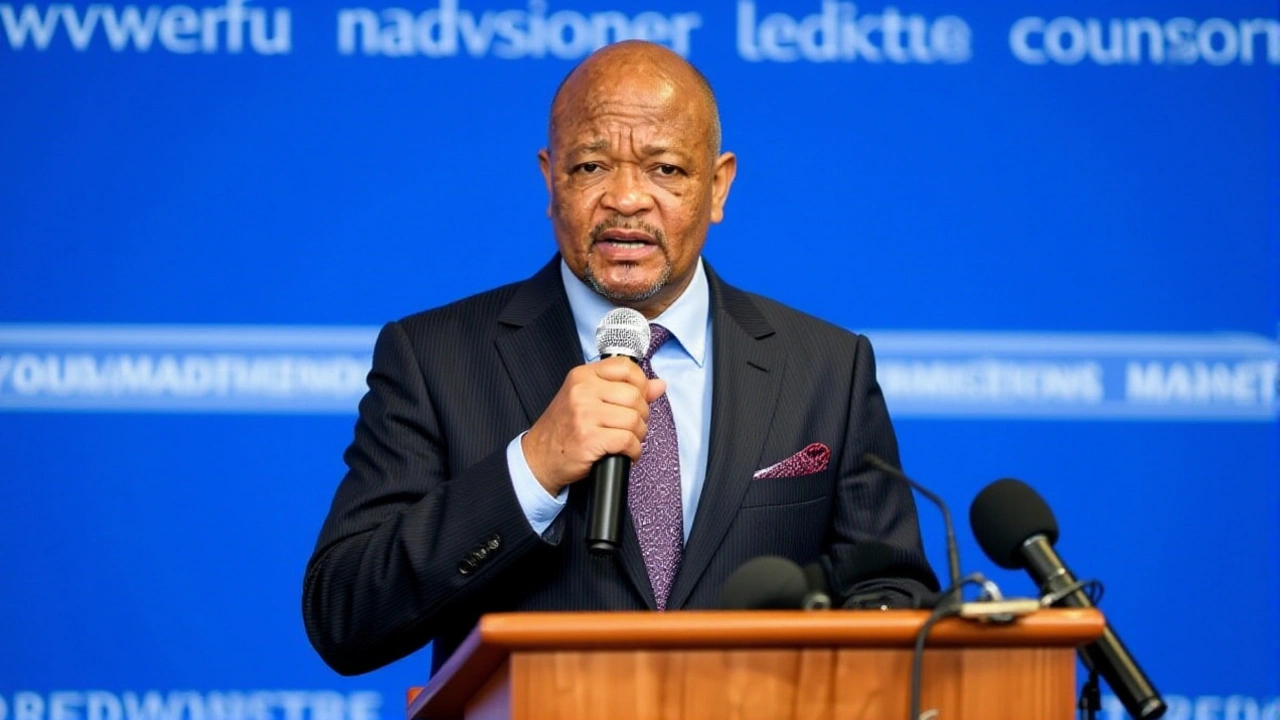
Suspended Police Minister Senzo Mchunu Denies Corruption Claims at Madlanga Commission
- Katlego Sean Mahaye
- Dec 3, 2025
Suspended Police Minister Senzo Mchunu denied corruption allegations before the Madlanga Commission, claiming he was never accused before. His testimony exposes deep political interference in South Africa's police force.