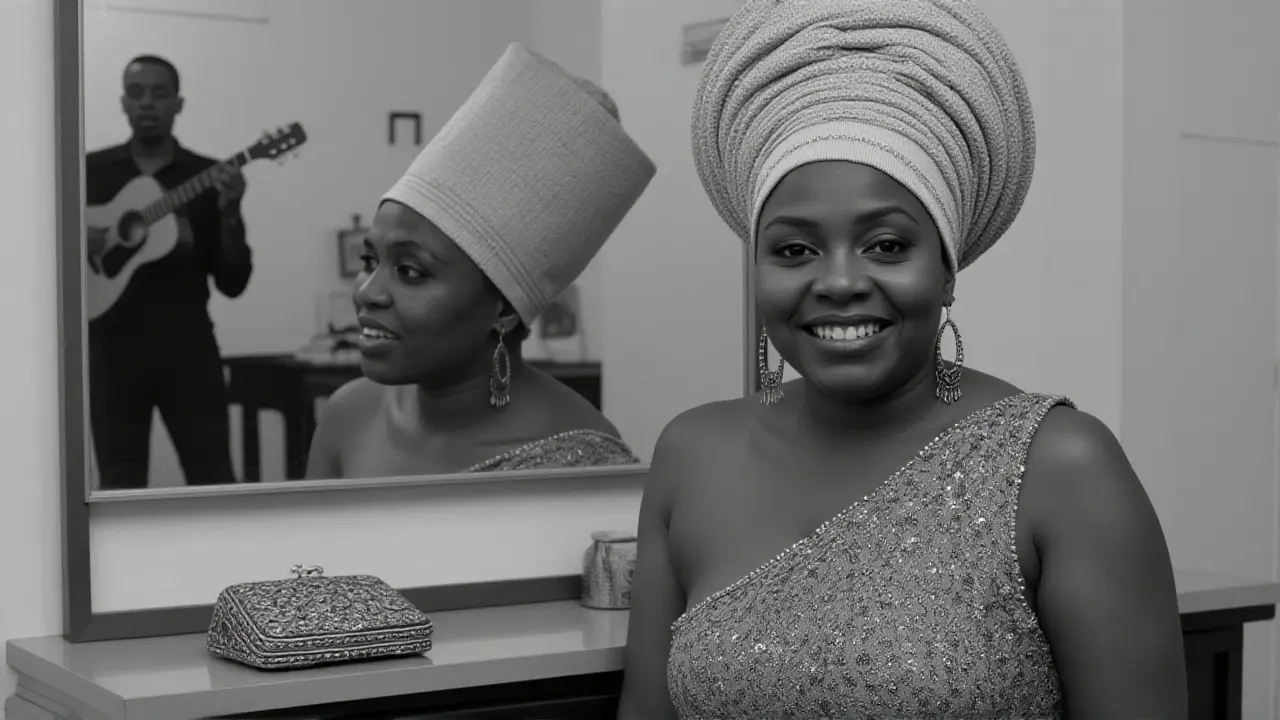
When Miriam Makeba, the legendary "Mama Africa" who passed away in 2008, opened her mouth to sing about the streets of her hometown, she wasn't just performing music. She was bearing witness. Her haunting rendition of "Soweto Blues," written by her then-ex-husband and musical partner Hugh Masekela, remains one of the most powerful artistic responses to the massacre that shook South Africa on the Soweto UprisingSoweto.
The song captures a specific moment in time: June 16, 1976. It’s a date etched into the national consciousness, marking the day when police opened fire on schoolchildren protesting against the apartheid government’s decision to force them to learn in Afrikaans—the language of their oppressors.
A Lament Born from Personal and Political Pain
Here’s the thing about "Soweto Blues": it wasn’t just a political statement; it was deeply personal. Masekela and Makeba were not only collaborators but former spouses, both living in exile at the time of the uprising. They watched the events unfold from afar, horrified by the images coming out of Soweto, the sprawling township near Johannesburg where Makeba had spent her early years.
The lyrics are stark. There’s no sugarcoating. Masekela wrote them as a direct response to the news reports describing how thousands of students—estimates range from 15,000 to 20,000—young people took to the streets that morning. The police, caught off guard by the sheer scale of the demonstration, initially ordered them to disperse. When they didn’t, the guns came out.
"The children are crying," Makeba sings, her voice trembling with an emotion that transcends language barriers. It’s a lament for the victims, many of whom were teenagers. Official figures cite 176 deaths, though independent estimates suggest the toll could be as high as 700. Hundreds more were injured. The violence sparked months of unrest across townships, turning the uprising into a pivotal turning point in the anti-apartheid struggle.
From Exile to Global Stages
Makeba didn’t keep this song hidden in archives. She carried it onto the world stage, using her platform to keep the memory of June 16 alive while the apartheid regime still held power back home. In 1987, she performed "Soweto Blues" at the Graceland Concert, a significant event tied to Paul Simon’s controversial yet culturally rich album project. This performance reminded global audiences that the struggle in South Africa was far from over.
Then, in 1988, something special happened. Makeba and Masekela stood side-by-side on stage again, performing the song together at a concert organized by the British Anti-Apartheid Movement. It was a powerful visual symbol of solidarity, uniting two giants of African music to highlight the human cost of institutionalized racism. The British organization used such cultural events to raise awareness and funds, proving that art could be a potent tool for political change.
Why the Song Still Matters Today
Fifty years later, why do we still talk about "Soweto Blues"? Because history isn’t just dates and policies; it’s stories. Recent analyses, including a June 2026 feature republished by Independent Online (IOL), revisit the song’s origins just days before the annual commemoration of the uprising. These pieces emphasize that the song serves as a bridge between generations, connecting today’s youth to the sacrifices made by those who marched in 1976.
The song has also found new life in the digital age. A 2013 streaming release credits Makeba, Masekela, and Stanley Kwesi Todd, ensuring that younger listeners can access this piece of history with a click. It’s a reminder that while the medium changes, the message remains urgent.
The details of that day in 1976 are clear: the heat, the fear, the sound of gunfire echoing through the streets of Orlando West. But the emotional resonance is what lingers. Makeba’s voice carries the weight of a nation’s grief. It’s a testament to how music can preserve truth when official narratives try to erase it.
Frequently Asked Questions
Who wrote and performed Soweto Blues?
The song was written by renowned trumpeter and composer Hugh Masekela and famously performed by singer Miriam Makeba. At the time of its creation, the two were ex-husbands and close collaborators in the anti-apartheid movement, both living in exile from South Africa.
What historical event does the song reference?
"Soweto Blues" references the Soweto Uprising of June 16, 1976. On this day, thousands of students protested the apartheid government's decree that Afrikaans be used as the medium of instruction in schools. Police responded with lethal force, killing hundreds of demonstrators.
How many people died during the Soweto Uprising?
Official government figures at the time reported 176 deaths. However, independent investigations and eyewitness accounts suggest the death toll was significantly higher, potentially reaching up to 700 people, with several hundred more injured during the initial clashes and subsequent unrest.
Where did Miriam Makeba perform this song internationally?
Makeba performed "Soweto Blues" at major international venues, including the 1987 Graceland Concert. Notably, she performed it alongside Hugh Masekela in 1988 at a benefit concert organized by the British Anti-Apartheid Movement, highlighting the song's role in global solidarity efforts.
Is the song available on modern streaming platforms?
Yes, "Soweto Blues" remains accessible to contemporary audiences. A notable digital release from 2013 credits Miriam Makeba, Hugh Masekela, and Stanley Kwesi Todd, allowing new generations to discover this pivotal piece of protest music via online streaming services.