- Strategic Shuffles: England's Brave Changes to Battle South Africa in Autumn Nations Series Nov 15, 2024
- Eddie Jordan, F1 Visionary and TV Star, Dies at 76 in Cape Town Oct 7, 2025
- Bournemouth's Brilliance: A 2-0 Triumph Over Everton in FA Cup Fourth Round Feb 8, 2025
- Anonymous Warns Kenyan Government: Scrap Finance Bill 2024 or Face Online Uprising Jun 20, 2024
- Arsenal's Martin Ødegaard Suffers Injury During Norway's Victory Over Austria Sep 10, 2024
Comic Adaptation: When Stories Move from Page to Panel
When a novel, play, or even a real-life story becomes a comic adaptation, a visual retelling of a narrative using sequential art, panels, and dialogue bubbles. Also known as graphic novel adaptation, it’s not just about drawing pictures—it’s about rewriting rhythm, pacing, and emotion for a new medium. Think of it like turning a movie script into a stage play. The core story stays, but how you feel it changes. A quiet moment in a book might become a wide panel with no words, letting the art breathe. A long monologue? It gets chopped into quick bursts of speech bubbles, each one carrying weight.
What makes a good comic adaptation, a visual retelling of a narrative using sequential art, panels, and dialogue bubbles. Also known as graphic novel adaptation, it’s not just about drawing pictures—it’s about rewriting rhythm, pacing, and emotion for a new medium. isn’t just faithfulness. It’s about knowing what to cut, what to stretch, and what to remix. A 400-page novel can’t fit into 120 pages of panels without losing its soul. So smart adaptations focus on the heartbeat of the story—its themes, its turning points, its most human moments. That’s why some of the best comic adaptations come from people who loved the original but weren’t afraid to bend it. Take a historical event like the civil rights movement or a fictional rivalry like Arsenal vs. Brighton. Both can be told with panels, but the way emotion is drawn—through posture, shadow, line—changes how you remember it.
Behind every great comic adaptation, a visual retelling of a narrative using sequential art, panels, and dialogue bubbles. Also known as graphic novel adaptation, it’s not just about drawing pictures—it’s about rewriting rhythm, pacing, and emotion for a new medium. is a team: a writer who knows how to condense, an artist who knows how to show, and sometimes, the original author who gives the green light. It’s not magic. It’s craft. And when it works, you don’t just read it—you feel it in your bones. You remember the silence between panels. You remember the color of a character’s eyes when they realize something terrible. That’s the power of visual storytelling.
What you’ll find below aren’t just news stories. They’re moments that could’ve been comic adaptations—political betrayals, underdog wins, broken promises, and quiet victories. Senzo Mchunu’s testimony. Raila Odinga’s political shift. Sergio Busquets’ farewell. These aren’t just headlines. They’re scripts waiting for panels. And here, you’ll see how real life, like fiction, bends to the rhythm of images and words.
Entertainment
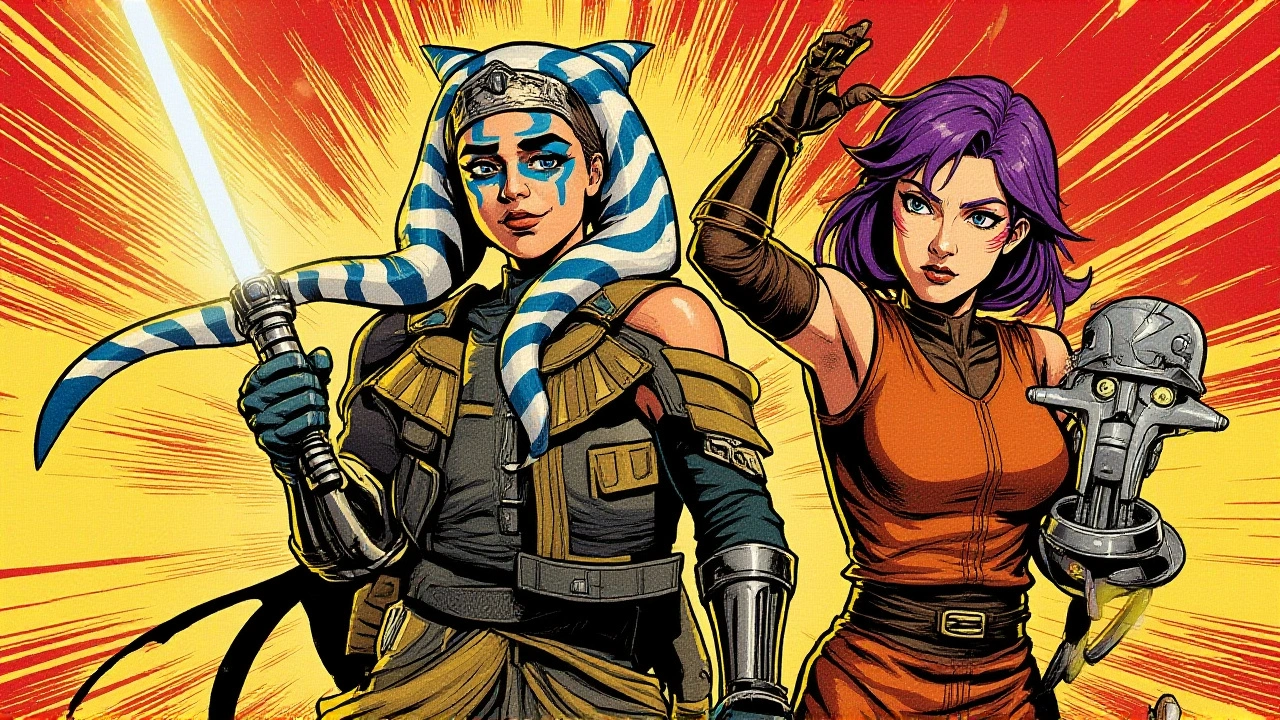
Marvel Comics Releases Faithful Comic Adaptation of Star Wars: Ahsoka TV Series
- Katlego Sean Mahaye
- Dec 3, 2025
Marvel Comics' 8-issue adaptation of Star Wars: Ahsoka faithfully expands the Emmy-nominated Disney+ series, following Rosario Dawson's Ahsoka Tano and Sabine Wren as they hunt Grand Admiral Thrawn in the post-Empire galaxy.